
Renting in California: A Different Kind of Home
Moving into a new place in California, whether it’s a cozy apartment in Santa Monica or a sprawling house in the Inland Empire, feels like a fresh start. You’re dreaming of new memories, new routines, and making the space truly yours. But then, somewhere in the lease agreement, or maybe from a well-meaning friend, the question of renters insurance pops up. It’s often seen as just another hoop to jump through, another expense in an already expensive state. You might even wonder if it’s really necessary.
Honestly, it’s easy to feel a little overwhelmed by all the details when you’re settling into a new rental. There are so many things to think about, from utility hookups to finding the best local coffee shop. The idea of adding insurance to that mental checklist can seem like a burden. But here’s the thing: renters insurance isn’t just a landlord’s requirement; it’s a quiet shield for your peace of mind. It’s about protecting the life you’re building, the things you own, and even your financial future, should something go sideways. And while the core idea stays the same, insuring an apartment versus a house can bring up some interesting differences you’ll want to understand.
The Core Protection: What Renters Insurance Actually Does
At its heart, renters insurance is pretty straightforward. It’s designed to cover you and your belongings from unexpected events that aren’t your landlord’s responsibility. Most policies break down into three main parts: personal property coverage, liability protection, and additional living expenses.
Personal Property: Your Stuff, Covered
Think for a moment about everything you own. Your laptop, that comfy sofa, all your clothes, your favorite art prints, even the kitchen gadgets you rarely use. If you had to replace it all tomorrow, what would that cost? Most people seriously underestimate the value of their possessions. A small fire, a burst pipe from an upstairs neighbor, or a break-in could wipe out years of accumulated belongings in an instant.
Renters insurance steps in here. It helps pay to replace your personal property if it’s damaged or stolen due to covered events like fire, smoke, theft, vandalism, or certain types of water damage. Here’s where it gets interesting. Some policies pay “actual cash value,” which means they factor in depreciation – what your item is worth *today*. Other, often better, policies offer “replacement cost,” paying what it would cost to buy a brand new version of that item. Big difference. If you’ve ever tried to replace a five-year-old TV, you know the struggle.
Liability Protection: Accidents Happen
Let’s be real, life throws curveballs. What if your friend slips on a wet floor in your kitchen and breaks an arm? Or your dog, usually a sweetheart, gets a little too excited and nips the mail carrier? Maybe a cooking mishap sets off the sprinkler system and causes significant water damage to your landlord’s property and the unit downstairs.
That’s where liability coverage comes in. This part of your policy helps pay for medical expenses if someone is injured in your rental home and it’s deemed your fault. It also covers legal costs if you’re sued, and pays for damage you accidentally cause to other people’s property – including, importantly, your landlord’s building. Without it, a single accident could lead to a massive lawsuit, potentially draining your savings or even future earnings. It’s a powerful financial safety net that many people overlook.
Additional Living Expenses: When Home Isn’t Home
Imagine a fire makes your apartment unlivable. Or a major pipe burst in the house you’re renting forces you to move out for repairs. Where do you go? How do you pay for a hotel, meals, or even just doing your laundry?
This is what “additional living expenses” (ALE) coverage handles. If a covered event makes your rental home uninhabitable, your policy can help pay for temporary housing, food, and other necessary costs above your normal living expenses. In a high-cost state like California, where hotel rooms can easily run hundreds of dollars a night, this coverage is incredibly valuable. Especially when you consider the frequency of wildfires in places like Ventura County or the Santa Clarita Valley, or the ever-present threat of an earthquake — though remember, earthquake damage itself isn’t typically covered by standard renters insurance, but the ALE portion *could* kick in if your home is unlivable due to a covered peril that happens *after* an earthquake.
Apartment vs. House: Where the Differences Show Up
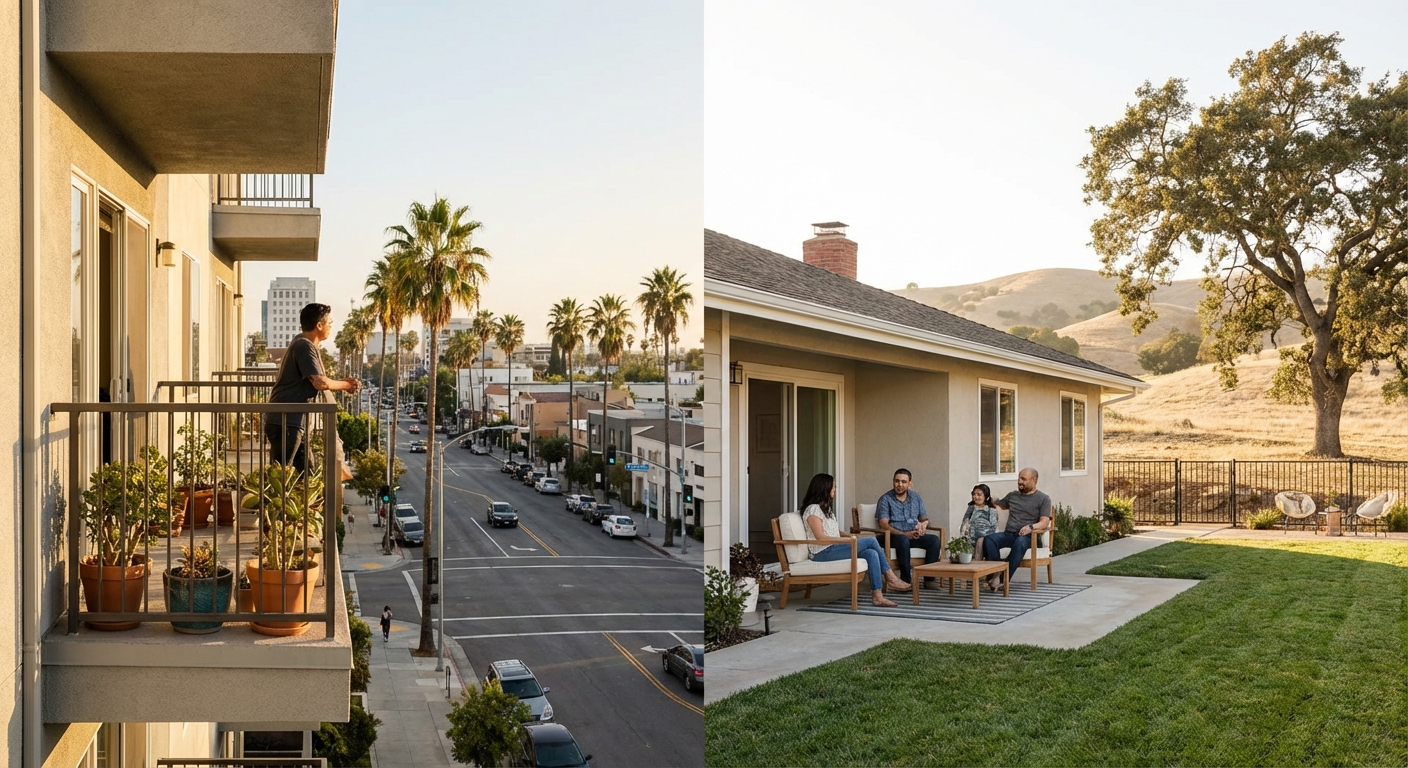
While the basic protections are the same, renting an apartment versus a house in California often introduces different scenarios and risks that can impact your insurance needs and even the cost.
The Nitty-Gritty of Personal Property
An apartment, by its nature, is usually a smaller space. Does that mean you have less stuff? Not always. Many apartment dwellers in places like San Francisco or downtown San Diego have incredibly valuable items packed into smaller footprints – high-end electronics, designer clothes, specialized hobbies. A house, especially one with a garage or a shed in the backyard, might hold a greater volume of belongings, including tools, sports equipment, or outdoor furniture. You’ll need to think about *all* your possessions, whether they’re crammed into a walk-in closet or spread across three bedrooms and a patio.
Liability Exposure: A Wider Net for Houses?
Here’s where the house versus apartment debate gets interesting for liability. An apartment complex often has shared common areas – hallways, gyms, pools – where the landlord’s master policy usually takes primary responsibility for injuries. Your personal liability would generally kick in if someone was injured *inside* your specific unit.
But a house? You’re often responsible for the entire property, including the yard, walkways, and maybe even a fence. That means more opportunities for things to go wrong. A loose step on the porch, a sprinkler head you forgot to fix, or a tree branch that falls on a visitor’s car – these are all potential liability exposures unique to renting a house. More space, more potential for accidents.
Security and Location: The California Context
Security features can play a role. Many apartment complexes offer gated entry, controlled access, or even on-site security personnel. These features can sometimes lead to slightly lower premiums because they reduce the risk of theft. A standalone house, on the other hand, might depend entirely on your own locks, alarm system, or the general safety of the neighborhood.
Which brings up something most people miss: location is everything in California. Whether you’re in an apartment or a house, if you’re in a high-risk wildfire zone – say, the foothills of the Sierra Nevada or parts of Malibu – your premiums could be higher. The same goes for areas with higher crime rates. Insurers look at these factors closely, and sometimes, finding coverage for a house in a very remote, fire-prone area can be more challenging than for an apartment in a safer, urban core, even if they’re both rentals. The availability of coverage has certainly changed in recent years, especially after the 2025 LA fires and the ongoing changes to the FAIR Plan.
Building Type Matters
Consider the actual structure. In an apartment building, a plumbing issue in the unit above you could cause water damage to your belongings. That’s a common apartment scenario. For a house, you might worry more about a tree falling on the roof, or a break-in through a ground-level window. Each type of dwelling presents its own set of risks, and your policy needs to be robust enough to handle them.
What Drives Your California Renters Insurance Cost?
You might be wondering, “How much is this actually going to cost me?” While I can’t give you specific numbers – every situation is different – I can tell you what factors influence the price tag.
The amount of coverage you choose is a big one. Higher personal property limits, more liability protection, or a larger allowance for additional living expenses will naturally increase your premium. Your deductible – the amount you pay out-of-pocket before your insurance kicks in – also plays a role. A higher deductible usually means a lower premium, but it also means you’ll pay more upfront if you file a claim.
But wait — your location within California is probably the biggest factor. Living in a densely populated urban area might mean higher theft risks. Being in an area prone to wildfires, like parts of Sonoma County or the East Bay hills, can drive up costs. Your claims history matters, too. If you’ve filed multiple claims in the past, insurers might see you as a higher risk. Finally, things like having a home security system, smoke detectors, or even being a non-smoker can sometimes qualify you for discounts. The California insurance market has seen its share of challenges, with some insurers pulling back or raising rates, so shopping around and understanding these factors is more important than ever.
Don’t Go It Alone: Finding the Right Policy
It’s easy to feel like you’re sifting through a mountain of jargon and confusing options. You might have tried getting a quote online only to feel even more lost. This isn’t a “one size fits all” kind of deal, especially not in a state as unique as California.
That’s precisely why talking to a real human, an experienced insurance professional, makes all the difference. Someone who understands the nuances of the California market, who can explain things simply, and who can help you tailor a policy that genuinely fits your specific needs – whether you’re renting a small studio in Koreatown or a family home in Fresno.
If you’re ready to explore your options and find a renters insurance policy that offers true peace of mind, don’t hesitate to reach out. Karl Susman and the team at California Renters Quote are here to help. You can connect with us directly by calling **(877) 411-5200** or visit us online to get a personalized quote. Our CA License # is 0B75129.
Ready to protect your California rental? Get a renters insurance quote today!
Common Questions About California Renters Insurance
Do landlords require renters insurance in California?
Often, yes. Many landlords in California include a clause in their lease agreements requiring tenants to carry renters insurance. They do this primarily to protect themselves from liability if a tenant causes damage to the property or if someone is injured in your unit. Even if it’s not strictly required, it’s always a good idea to have it for your own protection.
Does renters insurance cover earthquakes or floods?
Standard renters insurance policies typically do not cover damage caused by earthquakes or floods. These perils usually require separate, specialized policies or endorsements. In California, where earthquake risk is high, many renters choose to add earthquake coverage to their policy. Flood insurance is available through the National Flood Insurance Program (NFIP) or private insurers.
What’s the difference between actual cash value and replacement cost?
This is a big one. Actual cash value (ACV) pays you the depreciated value of your damaged or stolen items. For example, if your five-year-old TV is stolen, ACV would pay you what that five-year-old TV was worth just before it was stolen. Replacement cost (RC), on the other hand, pays you what it would cost to buy a brand new, comparable TV today. Replacement cost coverage generally offers better protection, but it usually comes with a slightly higher premium.
Is my roommate covered by my policy?
Generally, no. A standard renters insurance policy typically only covers the named policyholder and their immediate family members who reside with them. If you have a roommate, they would usually need to purchase their own renters insurance policy to cover their personal belongings and liability. Sometimes, an endorsement can be added to cover a non-family roommate, but it’s less common.
What if I work from home? Is my business equipment covered?
Most standard renters insurance policies have limits on how much they’ll pay for business property, often only a few thousand dollars. If you run a significant home-based business with valuable equipment, inventory, or client data, you might need a separate business owner’s policy (BOP) or a specific endorsement added to your renters policy to ensure adequate coverage. It’s definitely something to discuss with your agent.
Your Peace of Mind is Priceless
Living in California comes with its own set of challenges, from the high cost of living to the constant news about wildfires and earthquakes. The last thing you need is to worry about losing everything you own or facing a devastating lawsuit because of an unexpected event. Renters insurance isn’t just about protecting your stuff; it’s about safeguarding your financial future and allowing you to breathe a little easier in a state that demands so much. It’s about having a trusted partner in your corner when life gets messy.
Ready to take that step towards real protection? Start your California renters insurance quote now.
This article is for informational purposes only and does not constitute financial advice.