
When Your Home is Unlivable: Understanding Additional Living Expenses in California Renters Insurance
Imagine this: It’s a crisp October evening in Ventura County. You’re just settling in after work when the smell of smoke hits you. Not a barbecue, but something sharper, more urgent. Minutes later, the sirens start. A wildfire, driven by Santa Ana winds, is moving fast. The police are going door-to-door, telling everyone to evacuate. You grab your cat, your wallet, and a few essentials, then you’re out.
Where do you go? Your apartment building isn’t just threatened; it’s now officially in an evacuation zone. Your landlord isn’t responsible for putting you up in a hotel. Your friends and family might be too far, or already full. This is exactly the kind of nightmare scenario that keeps California renters awake at night. And it’s precisely where something called Additional Living Expenses, or ALE, in your renters insurance policy steps in.
What is ALE, Really?
Think of ALE as your financial safety net when disaster strikes your rental home. It’s a part of your renters insurance that covers the increase in your living costs if you can’t stay in your apartment or house because of a covered loss.
What does “covered loss” mean? It’s usually things like a fire, a burst pipe that floods your unit, or even a tree falling through the roof. Basically, if something happens that makes your place unlivable – and your policy says it’s covered – ALE helps pay for the extra expenses you’ll rack up trying to maintain your normal standard of living somewhere else.
This isn’t just some abstract insurance jargon. For folks living in the Inland Empire, where summer temperatures can make even a few days without AC unbearable after a power surge, or for anyone in the hills above Los Angeles worried about mudslides, ALE offers real peace of mind.

Common Scenarios Where ALE Kicks In
It’s easy to think, “That won’t happen to me.” But life in California throws a lot our way.
* **Fire:** This is probably the most common reason people need ALE. A kitchen fire, an electrical blaze, or those devastating wildfires that sweep through parts of the state – like the ones we brace for every year, or even the potential for big ones in the LA foothills. If your apartment is damaged or evacuated by official order, ALE can help.
* **Water Damage:** Maybe an upstairs neighbor leaves their tub running, and your ceiling collapses. Or a pipe bursts in your wall, making your unit a soggy mess. You can’t live there during repairs.
* **Earthquake Displacement:** This one’s a bit different. Standard renters insurance doesn’t cover earthquake damage. But here’s where it gets interesting. If you have an earthquake endorsement added to your renters policy – and many Californians wisely do – and a quake makes your place unlivable, your ALE coverage from that endorsement would kick in.
* **Other Perils:** Think windstorms tearing off part of your roof, or even a vandal smashing windows that makes your unit unsafe. If your policy covers the damage, it usually covers the ALE too.
The key is that your home must be genuinely uninhabitable, and the reason must be something your renters insurance policy specifically covers.
The Nitty-Gritty of ALE Coverage in California
So, you’re displaced. What exactly does ALE money go towards? It’s not a blank check, but it’s designed to keep your life as normal as possible without adding financial strain.
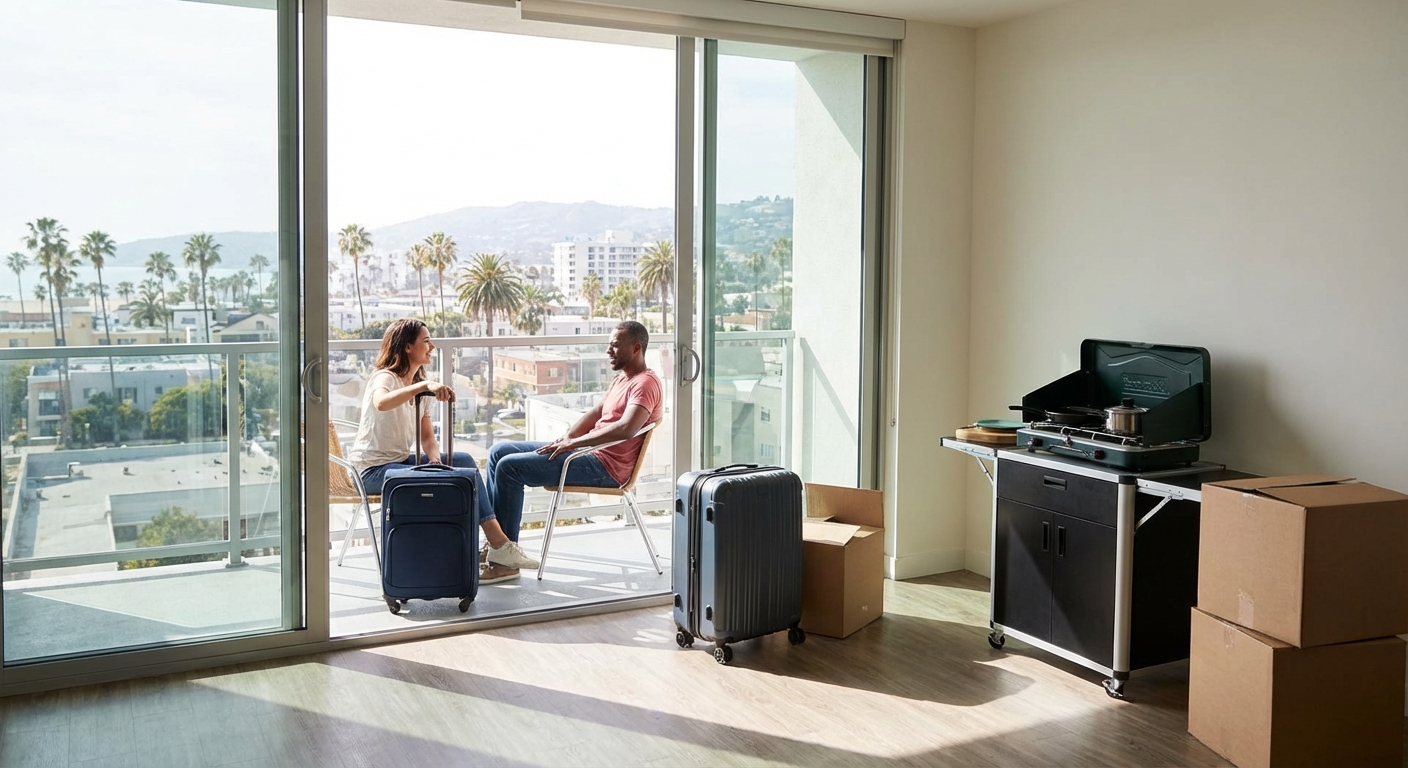
What ALE Typically Covers
* **Temporary Housing:** This is often the biggest chunk. A hotel room, a short-term rental, or even renting an apartment for a few weeks or months while your place is being fixed.
* **Food:** You can’t cook in your damaged kitchen. ALE can help with the increased cost of eating out or buying groceries to prepare elsewhere. It covers the *difference* between what you’d normally spend on groceries and what you’re spending now.
* **Laundry Services:** No washer and dryer at the hotel? ALE can cover the cost of laundromats or laundry services.
* **Pet Boarding:** If your furry friend can’t come to the temporary lodging, their kennel fees might be covered.
* **Storage:** Need to move your undamaged belongings out of your apartment while repairs happen? ALE can help with storage unit costs.
* **Extra Transportation:** Maybe your temporary spot is further from work or school, leading to higher gas costs or public transit fares. This could be covered.
Remember, it’s about *additional* expenses. Your rent payment, for example, isn’t covered by ALE because you’d be paying that anyway.
What ALE *Doesn’t* Cover
This is where some misunderstandings happen.
* **Your Regular Rent/Mortgage:** You’re still obligated to pay your landlord your rent. ALE covers the *extra* cost of living elsewhere, not your base housing payment.
* **Luxury Items or Services:** That five-star restaurant every night, or a limousine service to work? Probably not. The coverage aims to maintain your *normal* standard of living, not upgrade it.
* **Lost Income:** If you miss work because of the disruption, ALE doesn’t replace your wages.
* **Damage to Your Possessions:** That falls under the personal property part of your renters insurance. ALE is specifically for the *living expenses* while you’re displaced.
How Long Does ALE Last?
This is a critical detail. ALE coverage usually has two limits: a dollar limit and a time limit.
Often, the dollar limit is a percentage of your personal property coverage – say, 20% or 30%. So, if you have $30,000 in personal property coverage, your ALE might be $6,000 or $9,000. That might sound like a lot, but a few weeks in a hotel, plus food, laundry, and pet boarding, could easily run into thousands of dollars, especially in pricey spots like San Francisco or Orange County.
The time limit typically runs for a “reasonable amount of time” – until your home is repaired or until you find a permanent place to live. This could be 12 or 24 months, depending on your policy. But you can’t just live in a hotel indefinitely if your apartment is ready in three months. Your insurer expects you to act reasonably to mitigate costs.
California’s Unique Challenges and ALE
Living in the Golden State means dealing with some specific risks. ALE becomes even more important here.
Wildfires and Their Impact on Renters
Wildfires are a fact of life in California. From the chaparral hills of San Diego County to the forests of the Sierra Nevada, and even in the wildland-urban interface of the Valley, fire season is a constant threat.
If an official evacuation order comes down for your area, even if your apartment isn’t directly damaged, your ALE can often kick in. Why? Because the order makes your home uninhabitable. This is a huge relief for renters, who often feel less secure than homeowners during these events. Imagine being evacuated from your apartment in Santa Rosa during a fast-moving fire, needing a hotel for a week, and not having to stress about *that* bill on top of everything else.
Which brings up something most people miss. Finding temporary housing during a major wildfire event can be incredibly tough. Hotels fill up fast. Prices surge. Having ALE means you aren’t stuck choosing between sleeping in your car or draining your emergency savings.
Earthquakes and Renters Insurance
We live on a fault line. Everyone knows it. But many renters assume their basic policy covers earthquake damage. It doesn’t.
If you live in a place like Hayward or Riverside, getting an earthquake endorsement is a really smart move. This separate coverage protects your personal belongings and, yes, often includes its own ALE coverage for displacement due to quake damage. Without it, if a quake makes your apartment unsafe, you’re on your own for those extra living costs.
The Housing Crisis and Finding Temporary Housing
California’s housing market is notoriously tight. If you’re displaced, finding a new rental, even a temporary one, can be a real challenge. This isn’t just about money; it’s about availability. ALE certainly helps with the financial burden, but it can’t magically create housing. However, knowing you have the financial backing to afford options, even pricier ones, if you’re forced to move quickly, is a massive relief.
Understanding Your Policy and Limits
This isn’t the most exciting part of insurance, but it’s where the rubber meets the road. Knowing what you have *before* you need it saves a world of stress.
How to Check Your ALE Limits
Honestly, pull out your policy. It’ll list your coverage amounts. Look for “Additional Living Expenses” or “Loss of Use.” It’ll show a dollar amount, or sometimes a percentage of your personal property coverage.
If you can’t find it, or the language seems like legal mumbo-jumbo, don’t just guess. That’s what insurance professionals are for. Karl Susman at California Renters Quote, CA License #0B75129, helps folks understand these exact details every day. It’s his job to make sure you’re properly protected.
Why a Higher Limit Might Be Smart
Consider where you live. If a two-week hotel stay in your area costs $3,000, and your ALE limit is only $2,000, you’re out $1,000 right off the bat. In expensive areas like San Jose or Santa Monica, those costs can add up fast.
It’s usually not that expensive to bump up your ALE limits a bit. A small increase in your premium could mean thousands more in coverage when you truly need it. Think about the average cost of a hotel in your city, plus food, for a month. Does your current ALE cover that? If not, it might be time to talk to an agent.
The Deductible Connection
Your renters insurance policy will have a deductible – the amount you pay out-of-pocket before your insurance kicks in. This usually applies to the damage to your personal property. For ALE, however, it’s a bit different. Often, there’s no separate deductible for ALE expenses. Once the primary damage claim is approved (and your deductible met for that portion), your ALE coverage typically starts without an additional deductible. Always double-check your specific policy documents, though.
Making an ALE Claim: What to Know
Nobody wants to make an insurance claim, but if you have to, being prepared makes it much smoother.
Document Everything
This is probably the single most important piece of advice. Keep *every single receipt* for your additional living expenses. Hotel bills, restaurant receipts, grocery store printouts, laundry slips, pet boarding invoices – everything. Your insurer will ask for proof of these expenses. Digital copies are great, but keep the originals too if you can. It’s much easier to get reimbursed when you have a clear paper trail.
Contacting Your Insurer
As soon as you’re safely evacuated and know you can’t return home, call your insurance company. Whether it’s State Farm, AAA, Farmers, or another carrier, they’ll open a claim and guide you through the next steps. They’ll confirm your coverage and explain what’s needed for reimbursement.
The Role of Your Agent
This is where having a good agent really shines. If you’re stressed and displaced, dealing with insurance paperwork can feel overwhelming. Your agent, like Karl Susman, can be your advocate. They can help you understand the claim process, what to submit, and even communicate with the claims adjuster on your behalf. They know the ins and outs, and they’re there to help you through a tough time. Don’t hesitate to reach out to them.
Protecting Your Peace of Mind
Life in California is amazing, but it comes with its share of uncertainties. Renters insurance, particularly the Additional Living Expenses part of it, isn’t just a piece of paper; it’s a practical plan for when things go wrong. It’s the difference between scrambling for a place to stay with no money and having the financial freedom to focus on rebuilding your life.
Don’t wait until the smoke is in the air or the pipes burst. Take a few minutes today to understand your policy. If you don’t have renters insurance, or you’re unsure about your ALE limits, now’s the time to find out.
Looking for a quote or just want to chat about your options? You can get started right here: https://californiarentersquote.com/quote/
Frequently Asked Questions About ALE
Q: Will my ALE cover my regular rent if I’m displaced?
A: No. ALE covers the *additional* expenses you incur because you’re living somewhere else. You’re still responsible for your regular rent or mortgage payment.
Q: What if I stay with a friend or family member? Can I still get ALE?
A: It depends. If your friend or family member charges you rent or a fee, those *additional* costs might be covered. Some policies might even offer a small “fair rental value” payment to your hosts, but this varies widely. Always check with your insurer.
Q: How quickly does ALE kick in after a covered loss?
A: Usually, ALE coverage starts as soon as your home is deemed uninhabitable due to a covered peril. You should contact your insurance company immediately to begin the claims process.
Q: Is there a limit to how much I can spend on food or other daily expenses?
A: Your policy will have an overall dollar limit for ALE. Within that, insurers expect you to spend reasonably, reflecting your normal standard of living. Keep all receipts to justify your expenses.
Q: Do I need earthquake insurance for ALE to cover displacement from an earthquake?
A: Yes. Standard renters insurance policies do not cover earthquake damage. You would need a separate earthquake endorsement, which typically includes its own ALE coverage for earthquake-related displacement.
Understanding your renters insurance can feel like a lot, but it’s a small effort that can prevent a huge headache. If you’re a California renter, make sure your policy truly protects your everyday life – and your peace of mind.
Ready to explore your renters insurance options or review your current coverage? Get a personalized quote today: https://californiarentersquote.com/quote/
This article is for informational purposes only and does not constitute financial advice.