
- What You’ll Learn:
- Why your landlord’s insurance won’t protect your work gear.
- How to properly list and value your home office equipment.
- The difference between actual cash value and replacement cost coverage.
- When you need extra coverage for high-value tech.
- How California-specific perils like earthquakes fit in.
- Why telling your insurer about your home business matters.
- How to find a California agent who gets it.
Why Your Home Office Gear Needs Its Own Shield
Honestly, most folks living in a rented apartment or house in California don’t spend much time thinking about renters insurance. They know it’s a good idea, maybe even a requirement for their lease. But here’s the thing: a lot of people think of it as just covering their couch and clothes. That’s a huge miss, especially if you’ve got a home office packed with expensive tech.
Think about it. Your laptop, that fancy monitor, the high-speed printer, maybe a standing desk and a professional camera setup — that’s not just “stuff.” That’s your livelihood. If a pipe bursts in your San Diego apartment, or a fire rips through your rental in the Valley, or even if someone breaks into your place in Ventura County, that equipment is at risk. And without the right renters insurance, you could be left scrambling to replace it all out of pocket. That’s a tough spot to be in.
The “Wait, My Landlord’s Policy Doesn’t Cover This?” Moment
This is where the confusion often starts. Many renters assume their landlord’s insurance policy will cover their belongings if something bad happens. That’s a hard no. Your landlord’s insurance protects the building itself – the walls, the roof, the fixed appliances. It doesn’t cover your personal property, and it certainly won’t replace your work computer or your ergonomic chair. That’s on you.
Which brings up something most people miss. If you’re working from home, whether it’s full-time for a company or running your own small business, your home office equipment is often more valuable than your personal entertainment system. Protecting it isn’t just a smart move; it’s a business necessity.
Step 1: Figure Out What You Actually Own
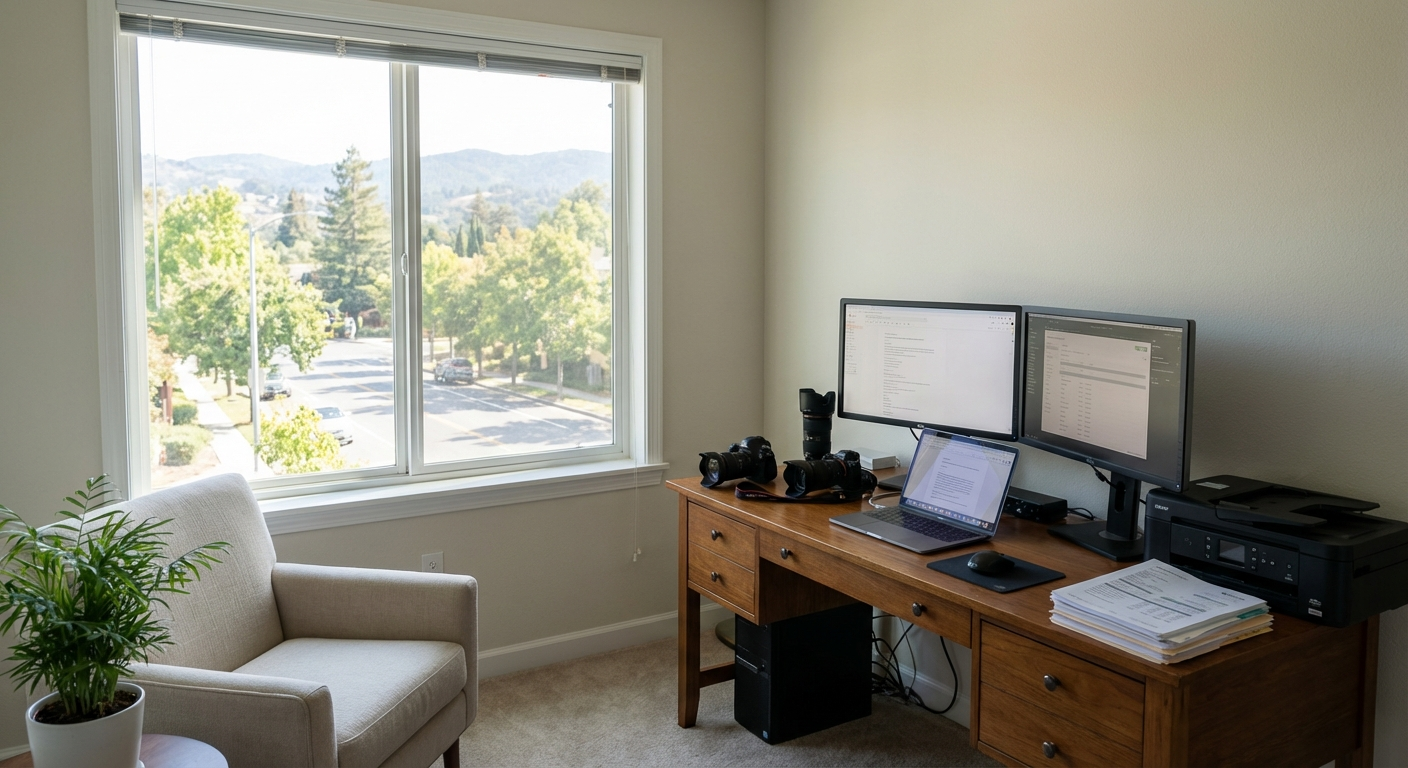
Before you can even think about getting a quote, you need to know what you’re trying to protect. This sounds simple, but it’s where many people fall short. Don’t just eyeball your setup. Grab a pen and paper, or open a spreadsheet, and list every single piece of equipment you use for your home office.
Start with the big-ticket items: your primary computer, any secondary monitors, printers, scanners, external hard drives, high-end webcams, professional microphones, specialized software (if it’s a physical product or has a high replacement cost). Then work your way down.
Don’t Forget the Small Stuff
It’s easy to overlook things like surge protectors, ergonomic keyboards, mice, docking stations, even the fancy office chair and desk. They add up fast. A good rule of thumb: if you’d be upset if it disappeared in a fire or flood, write it down.
For each item, note down the make, model, and — this is key — the approximate purchase price or its current replacement cost. Keep receipts if you have them. Snap a few photos or even a video of your office setup. This inventory will be your best friend if you ever need to file a claim. It removes any guesswork and makes the process much smoother. Without it, trying to remember every detail after a stressful event can feel impossible.
Step 2: Know Your Policy Types – Actual Cash Value vs. Replacement Cost
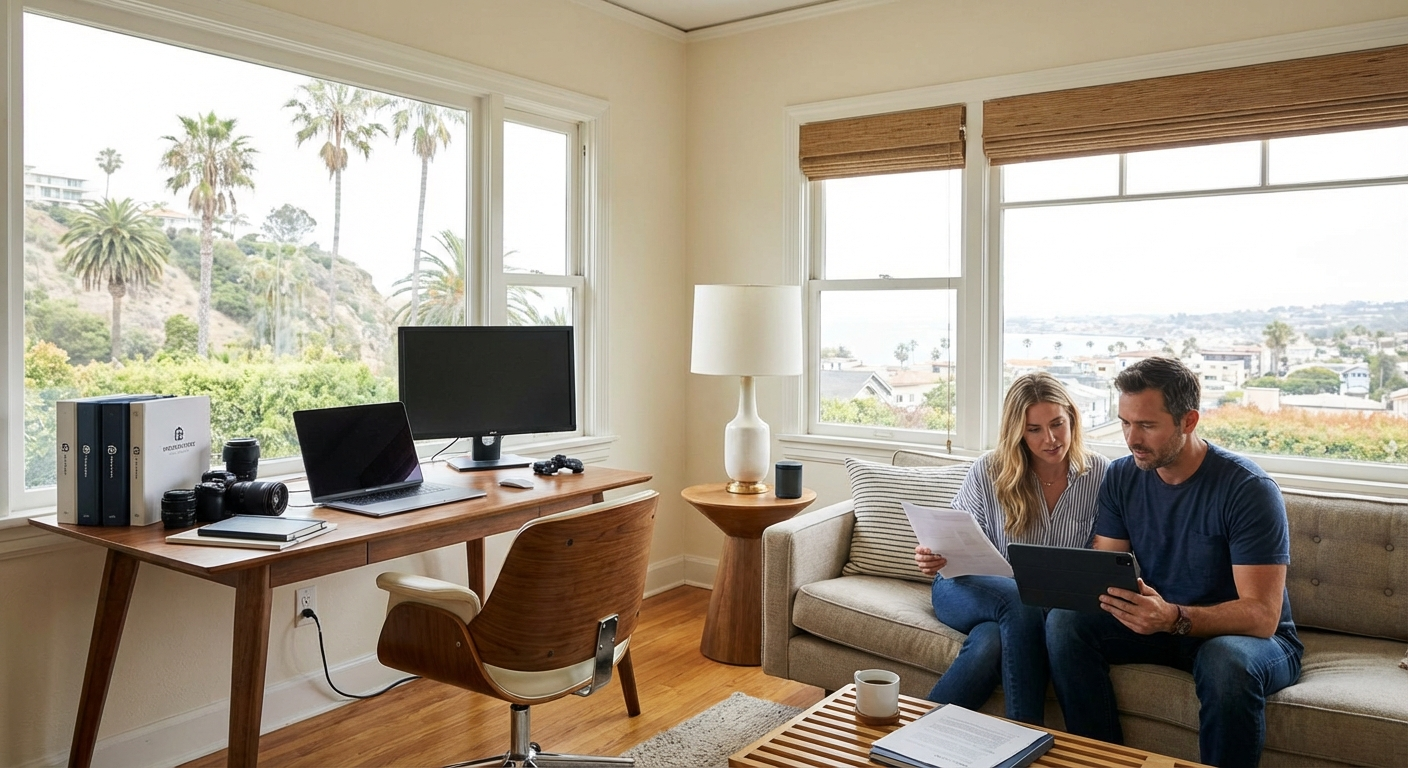
This is probably the single most important decision you’ll make when setting up your renters insurance, especially for your home office gear. You’ll generally have two options: Actual Cash Value (ACV) or Replacement Cost Value (RCV).
Actual Cash Value policies pay out what your items are worth *today*, factoring in depreciation. Think of it like this: if your laptop is three years old, an ACV policy would pay you for a three-year-old laptop, not a brand-new one. The payout will be less than what you originally paid for it. For tech that depreciates quickly, this can leave a huge gap.
Why Replacement Cost is Almost Always Better
Replacement Cost Value policies, on the other hand, pay out the cost to replace your damaged or stolen items with *new* ones, up to your policy limits. That three-year-old laptop? An RCV policy would give you enough money to buy a brand-new, comparable model.
For home office equipment, which often loses value quickly but is expensive to replace, RCV is almost always the smarter choice. Yes, it typically means a slightly higher premium. But when you’re looking at replacing a $2,000 computer, that small bump in your monthly payment will feel like nothing compared to the thousands you’d save in an actual claim. Most people who work from home find the extra cost for RCV well worth the peace of mind.
Step 3: Special Limits and Endorsements for High-Value Items
Standard renters insurance policies have limits. They’ll cover personal property up to a certain dollar amount, say $25,000 or $50,000. But here’s where it gets interesting. Many policies also have specific sub-limits for certain categories of items. For example, electronics might be capped at $2,500 per item, or jewelry at $1,500.
If your primary work computer is a high-end workstation that cost $4,000, or you have specialized photography equipment worth $5,000, a standard sub-limit could leave you underinsured. That’s a problem.
When a Standard Policy Isn’t Enough
This is when you need to consider a “scheduled personal property” endorsement – sometimes called a rider or floater. This is an add-on to your policy that specifically lists and insures individual high-value items for their full appraised value, outside of the standard limits.
For your home office, this might apply to a custom-built PC, a specialized server, expensive camera gear, or even high-end audio equipment if you’re a musician or podcaster. You’ll usually need to provide a recent appraisal or receipt for these items. It costs a bit more, but it ensures that your most valuable work tools are fully protected. Don’t skip this step if your gear pushes past those standard caps.
Step 4: Understanding Perils – What’s Covered (and What Isn’t)
Renters insurance policies cover “perils” – specific events that cause damage or loss. Standard policies usually cover things like fire, smoke, lightning, windstorms, theft, vandalism, water damage from burst pipes, and liability. If your home office equipment is damaged due to one of these listed perils, you’re generally covered.
But wait — not everything is included. Flooding from outside your home (like a river overflowing) is almost never covered by a standard renters policy. Neither are earthquakes.
The California Quake Question
Living in California, the earthquake question is a big one. A standard renters insurance policy won’t cover damage to your home office equipment if it’s caused by an earthquake. If you want that protection, you’ll need to purchase a separate earthquake endorsement or policy.
Honestly, for many Californians, especially those in quake-prone areas like the Bay Area or parts of Southern California, adding earthquake coverage is a no-brainer. It’s a separate cost, and it often comes with a higher deductible (meaning you pay more out of pocket before the insurance kicks in), but it offers peace of mind against a very real threat. Discuss this with your agent; they can walk you through the options.
Step 5: The Business Use Clause – A Big Deal for Work-From-Homers
Here’s a common pitfall: many standard renters insurance policies have limitations or exclusions for property used for business purposes. If your home office equipment is *only* for personal use, you might be fine. But if you’re running a business out of your home, even a side hustle, your policy might not cover that equipment if it’s damaged or stolen.
Some policies have a small sub-limit for business property, maybe $1,000 or $2,500. If your business equipment is worth more than that (and for most home offices, it is), you could be seriously underinsured.
A Quick Call Can Save You Headaches
The real answer is more complicated. If you primarily work from home for an employer, your employer’s business insurance *might* cover some of your equipment if it’s company-owned. But if it’s *your* equipment, or you’re self-employed, that’s almost certainly not the case.
The best way to figure this out? Be upfront with your insurance agent. Tell them you have a home office and whether you’re working for an employer or running your own business. They can advise you on whether your standard renters policy is sufficient, or if you need to add a “home business” endorsement or even a separate business owner’s policy (BOP) to fully protect your gear. It’s a conversation worth having, because finding out you’re not covered *after* a loss is a terrible surprise.
Step 6: Getting the Right Quote and Agent
Okay, you’ve got your inventory, you know about RCV, you’ve thought about endorsements and perils. Now it’s time to get a quote. Don’t just go with the first option you see online. Renters insurance rates in California can vary wildly between insurers like State Farm, AAA, Farmers, and smaller regional carriers. Your location — whether you’re in the Inland Empire, Sacramento, or a coastal town — can also impact your premium.
Why a Local Pro Makes a Difference
This is where a knowledgeable California insurance agent comes in. Someone who understands the nuances of the local market, the specific risks (like those 2025 LA fires or recent FAIR Plan changes), and how Prop 103 affects things. They can compare quotes from multiple companies, explain the fine print, and make sure you’re not overpaying or, worse, underinsured.
For instance, Karl Susman at California Renters Quote (CA License #0B75129) has been helping Californians with their insurance for years. He and his team know the ins and outs of renters policies and how to tailor them for home office setups. You can reach them at (877) 411-5200 for a chat.
Don’t settle for a generic policy. Your home office equipment is a significant investment, and it deserves proper protection. Take the time to get it right.
Ready to see what protecting your home office could look like? Get a California renters insurance quote today.
Frequently Asked Questions About Renters Insurance and Home Offices
Q: Will my employer’s insurance cover my company laptop if it’s stolen from my rented home?
A: Not always. If the equipment belongs to your employer, their business insurance *might* cover it. But if it’s your personal laptop that you use for work, that’s usually on your renters insurance. Always check with your employer and your own agent.
Q: What if I sometimes work from a coffee shop and my laptop gets stolen there?
A: Good question! Most renters insurance policies offer “off-premises” coverage, meaning your personal property is covered even when it’s not inside your rented home. There are usually limits to this, so confirm with your agent how much coverage you have for items outside your dwelling.
Q: Does renters insurance cover damage to my home office equipment if I spill coffee on it?
A: Generally, no. Renters insurance typically covers “named perils” like fire, theft, or certain types of water damage. Accidental damage, like spilling coffee on your laptop, usually isn’t covered unless you have a specific “all-risk” or “accidental damage” endorsement, which is rare for standard renters policies.
Q: How often should I update my home office equipment inventory?
A: It’s a good idea to review and update your inventory at least once a year, or whenever you make a significant purchase or upgrade to your home office. This ensures your coverage amounts are accurate and you’re not caught off guard if something happens.
Q: My roommate also works from home. Do we both need separate renters insurance policies?
A: Yes, absolutely. While some policies might allow you to list a roommate, it’s generally best for each individual to have their own renters insurance policy to protect their specific belongings and provide their own liability coverage. This avoids potential headaches during a claim.
Don’t leave your home office exposed. Get a personalized renters insurance quote for your California home office setup.
This article is for informational purposes only and does not constitute financial advice.