
Understanding Fire Damage and Your Renters Insurance in California
Living in California means enjoying incredible weather and vibrant communities. But it also means living with the very real threat of fire. From kitchen mishaps to widespread wildfires sweeping through Ventura County or the hills of the Inland Empire, fire damage isn’t just a homeowner’s problem. It’s a renter’s concern, too.
You might think your landlord’s insurance has you covered. Honestly, that’s a common misunderstanding. Their policy protects the building itself — the walls, the roof, the landlord’s fixtures. Your personal stuff? That’s on you.
This guide will walk you through exactly what California renters insurance does when fire strikes, what it doesn’t do, and how to make sure you’re properly protected.
What You’ll Learn:
- Why fire is such a big deal for California renters.
- What renters insurance actually covers for fire damage.
- How to make sure you have enough coverage for your belongings and living expenses.
- What steps to take immediately if a fire impacts your rental.
- Answers to common questions about fire and renters insurance.
Step 1: Why California Renters Can’t Ignore Fire Risk
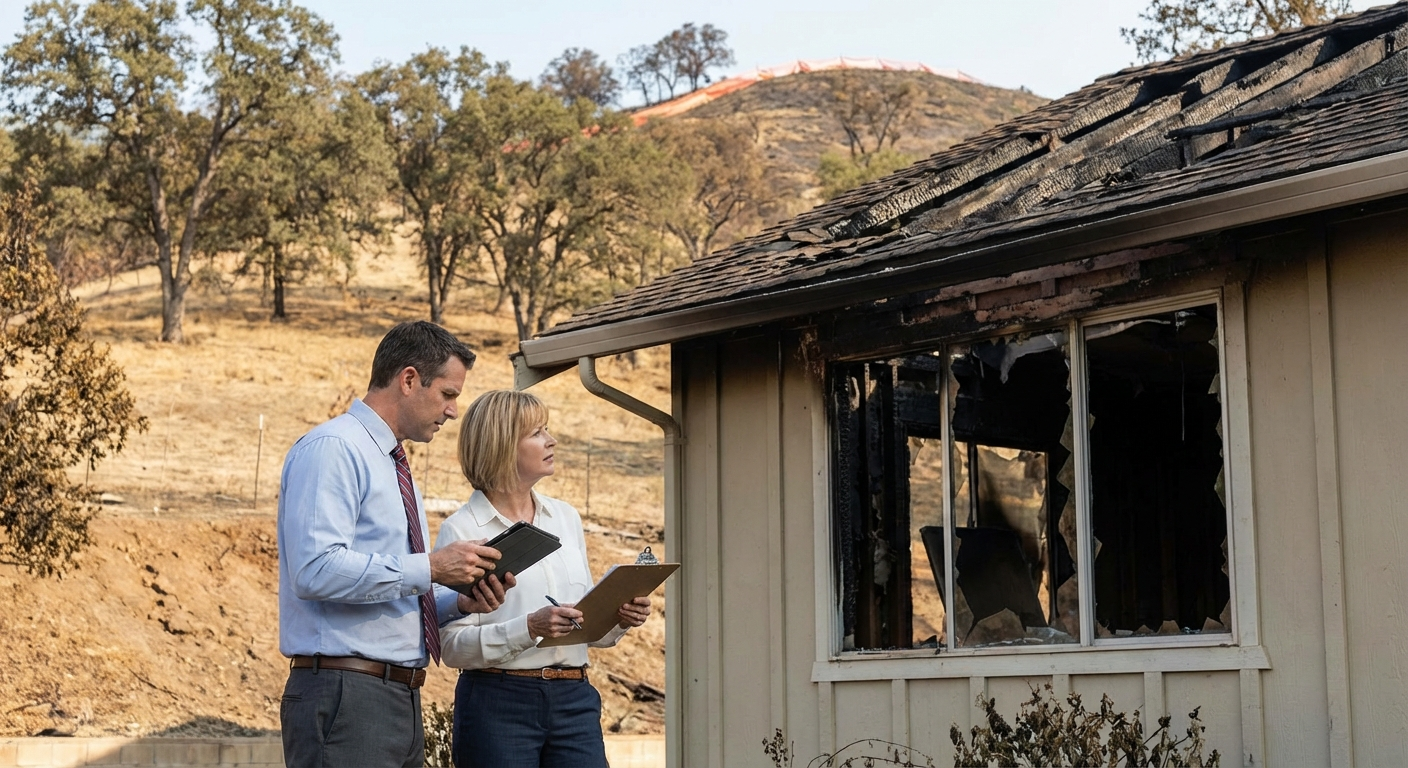
California’s fire season seems to stretch longer every year. We’ve seen devastating blazes rip through communities, from the Santa Cruz Mountains to the Valley, leaving behind trails of destruction. A quick look at recent history — the Camp Fire, the Thomas Fire, the Glass Fire — shows just how destructive these events can be.
But it’s not always about massive wildfires. Many fires start much closer to home: a faulty appliance, a kitchen accident, an overloaded extension cord. These smaller, more localized fires can be just as destructive to your personal space and possessions.
Here’s the thing: when a fire happens in your rental, your landlord’s insurance policy steps in to repair or rebuild the structure. It doesn’t pay a dime for your burned furniture, your smoke-damaged clothes, or your destroyed electronics. That’s where renters insurance comes in. It’s your personal safety net, designed to protect your financial well-being when the unexpected happens.
Step 2: What Your Renters Policy Covers (and What It Doesn’t)
A standard California renters insurance policy typically includes three main types of coverage that are super important when it comes to fire damage. Understanding these parts is key to knowing what you’re buying.
Personal Property Coverage (Coverage C)
This is the big one for your stuff. Personal property coverage pays to repair or replace your belongings if they’re damaged or destroyed by a covered peril — and fire, including wildfire, is almost always on that list. We’re talking about everything you own: your laptop, your bed, your clothes, your dishes, your bike, your art collection. If you could pick up your apartment and shake it, everything that falls out is generally covered here.
But wait — there’s a catch. Most policies offer two ways to pay out for your personal property:
- Actual Cash Value (ACV): This pays you what your items were worth at the time of the fire, factoring in depreciation. So, that five-year-old TV? You’d get its depreciated value, not what it costs to buy a new one.
- Replacement Cost Value (RCV): This is usually the better option. RCV pays you the cost to replace your damaged items with brand-new ones, without deducting for depreciation. You’ll pay a bit more for RCV, but it makes a huge difference if you ever need to file a big claim.
Honestly, if you can afford it, go for RCV. The difference in premium isn’t always huge, but the difference in payout could be thousands of dollars.
Loss of Use (Coverage D)
Imagine your apartment building burns down. Where do you go? Loss of use coverage, also called Additional Living Expenses (ALE), kicks in when a covered event, like a fire, makes your rental uninhabitable. It covers extra expenses you incur while your home is being repaired or you’re finding a new place to live. This can include hotel stays, temporary rental costs, extra food expenses (because you can’t cook at home), laundry services, and even parking if you now have to pay for it.
This isn’t just a nice-to-have; it’s absolutely essential. Finding an available apartment in a place like Los Angeles or San Francisco is already tough. Doing it on short notice while also dealing with the aftermath of a fire? That’s a huge burden. Loss of use coverage provides a financial cushion during what would otherwise be a very stressful and expensive time.
Personal Liability (Coverage E)
This part of your policy protects you if you’re found legally responsible for injury to someone else or damage to their property. While it might not seem directly related to *your* fire damage, it’s incredibly relevant. What if a small kitchen fire in your unit spreads and damages your neighbor’s apartment or even the building itself? Your landlord or their insurance company could come after you for those damages. Personal liability coverage would help pay for legal defense costs and any judgments or settlements up to your policy limit.
It’s an uncomfortable thought, but accidents happen. A moment of distraction could lead to a significant financial headache without this coverage.
Step 3: Getting the Right Amount of Coverage
Knowing what’s covered is one thing. Making sure you have *enough* coverage is another. This is where many renters fall short.
Inventory Your Belongings
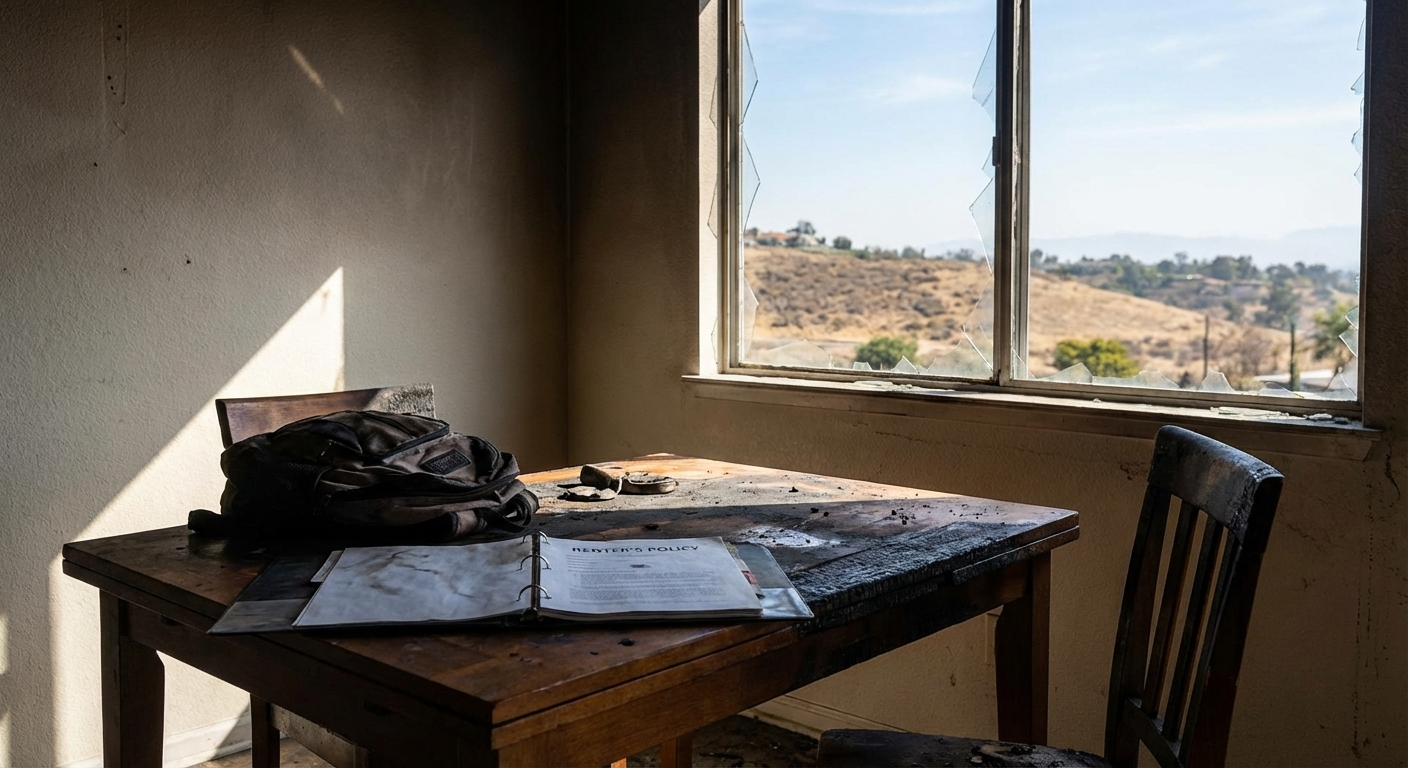
Before you even think about policy limits, you need a clear picture of what you own. Go room by room and make a list. Take photos. Shoot a video walk-through with your phone, narrating what you’re seeing. Keep receipts for big-ticket items like electronics, jewelry, or expensive furniture. Store this inventory somewhere safe, away from your home, like in a cloud storage service or on an external hard drive kept at a friend’s house.
Most people severely underestimate the value of their possessions. A good rule of thumb? If you had to replace everything you own tomorrow, how much would that cost? It’s often tens of thousands of dollars, even for a modest apartment.
Understand Your Deductible
Your deductible is the amount you pay out of pocket before your insurance company starts paying on a covered claim. If you have a $500 deductible and a fire causes $5,000 in damage to your personal property, you’d pay the first $500, and your insurer would pay the remaining $4,500.
Choosing a higher deductible usually means a lower monthly premium. But here’s where it gets interesting: don’t pick a deductible you can’t comfortably afford to pay if disaster strikes. A $1,000 deductible might save you a few bucks a month, but if you don’t have $1,000 readily available after a fire, that lower premium won’t feel like a win.
Review Your Policy Limits
Once you have an inventory, you can set appropriate limits for your personal property coverage. Don’t just pick the lowest amount to save money. If your stuff is worth $40,000, but your policy only covers $20,000, you’re on the hook for the remaining $20,000 after a fire. That’s a big difference.
Also, look at your loss of use limits. Some policies cap this at a certain dollar amount, others at a percentage of your personal property coverage, or for a specific time period (e.g., 12 months). Make sure it’s enough to cover several months of temporary living if you had to evacuate. In high-cost areas like San Diego or the Bay Area, those temporary living expenses add up fast.
Step 4: Special Considerations for California Renters
California isn’t just any state. Our unique geography and climate mean unique insurance challenges.
Wildfire Zones: If your rental is in a high-risk wildfire zone — think parts of Malibu, Santa Rosa, or the Sierra foothills — you might find that some insurers are less willing to offer coverage, or they might charge higher premiums. Some companies, like State Farm, AAA, and Farmers, have been adjusting their exposure in the state, sometimes making it harder to find policies.
FAIR Plan: Many homeowners in high-risk areas turn to the California FAIR Plan when traditional insurance isn’t available. But here’s the kicker: the FAIR Plan is primarily for property owners. While it offers a form of “dwelling fire” coverage, it’s not a full renters insurance policy. Renters still need a separate renters policy to cover their personal property and liability. Some companies will “wrap around” a FAIR Plan dwelling policy for homeowners, but for renters, you typically get a standard renters policy from a private insurer.
Prop 103’s Role: Proposition 103, passed in 1988, gives the California Department of Insurance (CDI) the power to approve or reject rate increases. While it’s meant to protect consumers, the current regulatory environment has led some insurers to pull back from the state, citing an inability to charge rates that accurately reflect their risk. This can make finding affordable coverage a bit more challenging, though renters insurance generally remains quite affordable compared to homeowners policies.
Step 5: What to Do If Fire Strikes Your Rental
No one wants to think about it, but knowing the steps beforehand can save you a lot of stress and potential financial loss if a fire ever impacts your home.
Safety First, Always
Your life is more important than any possession. Evacuate immediately if there’s a fire. Follow emergency responder instructions. Don’t try to retrieve belongings until authorities say it’s safe to re-enter.
Contact Your Landlord Immediately
As soon as you’re safe, notify your landlord. They need to assess the structural damage and begin the process with their own insurance company.
File a Claim with Your Insurer
Contact your renters insurance company as soon as possible. They’ll assign a claims adjuster to your case. Be prepared to provide:
- Your policy number.
- Details about the fire (date, time, cause if known).
- A police or fire department report number, if available.
- Your inventory of damaged items. Photos and videos you took earlier will be invaluable here.
Be honest and thorough. Don’t throw away damaged items until your adjuster has seen them or given you permission.
Keep Records of Extra Expenses
If you’re displaced, keep meticulous records of all your additional living expenses. Save receipts for hotel stays, restaurant meals, temporary transportation, and anything else you wouldn’t normally pay for if you were in your home. Your loss of use coverage relies on these records.
Step 6: Finding the Right Policy and Agent
Choosing a renters insurance policy isn’t something you should rush. The cheapest option isn’t always the best, especially when you’re facing something as devastating as a fire.
An independent insurance agent can be a real asset here. They work with multiple insurance companies, not just one, which means they can shop around to find you the best coverage for your specific needs and budget. They understand the nuances of California’s insurance market and can explain things in plain language, not industry jargon.
For California renters, Karl Susman of California Renters Quote (CA License #0B75129) has helped countless people find the right protection. An experienced agent can help you assess your personal property value, explain the difference between ACV and RCV, and ensure your liability limits are adequate.
Ready to get started? It only takes a few minutes to get a personalized renters insurance quote and see your options. You can explore your choices and get a quote right now at https://californiarentersquote.com/quote/.
Frequently Asked Questions About Fire Damage and Renters Insurance
Does renters insurance cover wildfire smoke damage?
Yes, typically. Smoke damage from a covered peril, like a wildfire, is generally included in your personal property coverage. Even if the flames don’t reach your building, pervasive smoke can ruin clothes, furniture, and electronics, leaving a lingering odor that’s expensive to remove. Your policy should cover the cleaning or replacement of these items.
What if my roommate started the fire?
This gets a little complicated. If you and your roommate are on the same renters insurance policy, your personal property would likely be covered, regardless of who caused the fire. However, if you each have separate policies, your policy would cover your stuff, and their policy would cover theirs. If your roommate’s negligence caused damage to the building or other units, their personal liability coverage (if they have it) would be key.
Is my landlord responsible for my belongings if there’s a fire?
No, almost never. Your landlord’s insurance covers the building itself. It does not cover your personal property. This is why renters insurance is so important. Without it, you’d be solely responsible for replacing everything you own after a fire.
Can my renters insurance be canceled because of fire risk?
In some cases, yes. If you live in a very high-risk wildfire area and your insurer decides they can no longer take on that risk, they might non-renew your policy or even cancel it. This is becoming more common in California. If this happens, you’ll usually get advance notice, giving you time to find a new policy. An independent agent can be particularly helpful in finding coverage in challenging areas.
How long does it take to get a fire damage claim paid?
The timeline can vary widely based on the complexity of the claim, the extent of the damage, and how quickly you provide necessary documentation. Simple claims might be resolved in a few weeks. More complex claims, especially those involving extensive damage or disputes over replacement costs, could take several months. Your insurer is required to act in good faith and process claims promptly.
Don’t wait for the next fire alert to think about your coverage. Taking a few minutes today to understand your options can make all the difference tomorrow. Get a quick, personalized quote and see how affordable peace of mind can be: https://californiarentersquote.com/quote/.
This article is for informational purposes only and does not constitute financial advice.