
The Studio Apartment Dream (and the Hidden “What Ifs”)
Maya finally did it. After months of searching, she snagged a sweet studio in Silver Lake. It had big windows, decent light, and enough space for her futon, a tiny desk, and her record player. Moving in felt like a huge step – her first real place in Los Angeles, all her own. She spent a week carefully arranging her few prized possessions: a vintage Fender guitar, her laptop for design work, an ever-growing stack of books, and clothes that were definitely more aspirational than practical.
Honestly, she wasn’t thinking about insurance. Who does, when they’re twenty-something and just starting out? Her budget was tight. Every dollar counted. Rent, utilities, groceries, that expensive oat milk latte – it all added up. Renters insurance felt like just another bill, something for “homeowners” or people with a house full of fancy stuff.
But here’s the thing. A studio apartment, for all its cozy charm, doesn’t mean less risk. In some ways, it might even mean more. Everything you own is concentrated in one small area. If a pipe bursts upstairs, or if there’s an electrical fire, or even a simple kitchen mishap, it could affect *everything*. Your entire world, packed into a few hundred square feet, could be turned upside down in a flash. And in California? We’ve got our own special brand of “what ifs” to worry about. Wildfires, sure. Earthquakes, absolutely. But also just the everyday stuff – a leaky fridge, a neighbor’s overflowed tub, or even a clumsy friend spilling red wine on your new rug. These things happen.
“But I Don’t Own Much!” – Why Personal Property Matters
Maya probably figured her stuff wasn’t worth much. A used laptop, a hand-me-down TV, a closet full of thrift store finds. She’s not exactly furnishing a mansion. But let’s play a little game. Imagine a fire sweeps through her building tomorrow. Every single thing she owns, gone. The Fender? Poof. Her laptop, gone with all her design projects. Her entire wardrobe, her bedding, her pots and pans, that quirky lamp she loves. All of it.
Now, picture replacing it all. The laptop alone is over a grand. The guitar? Easily another grand, maybe more for a vintage one. Even a basic wardrobe, if you had to buy everything new, would set you back hundreds. Small kitchen appliances, towels, toiletries, books – it piles up fast. That “not much” quickly turns into $10,000, $15,000, even $20,000 or more. That’s a big chunk of change for someone on a budget. Most renters don’t have that kind of cash just sitting around to rebuild their life from scratch.
Here’s where it gets interesting. When you get renters insurance, you’ll often see two options for personal property: Actual Cash Value (ACV) and Replacement Cost Value (RCV). ACV pays you what your items were worth *at the time of loss*, factoring in depreciation. So, that five-year-old laptop might only get you a few hundred bucks. RCV, on the other hand, pays what it would cost to buy a *new* one, like for like. Big difference. For renters, RCV is almost always the better choice, even if it costs a tiny bit more. You don’t want to be shortchanged when you’re trying to replace everything.
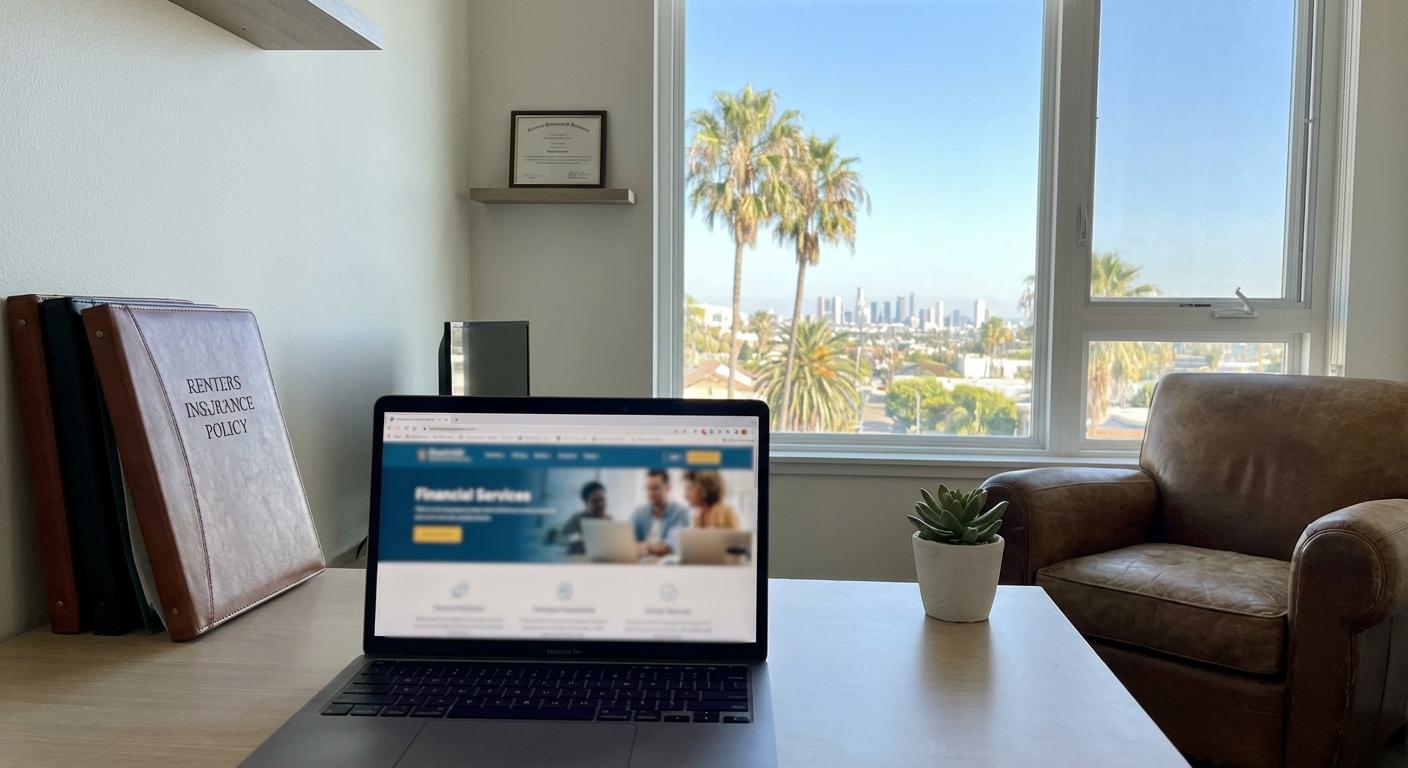
The Landlord’s Policy Isn’t Your Safety Net
This is one of the biggest misunderstandings out there. Maya, like so many new renters, might assume that because her landlord has insurance on the building, she’s covered too. Not true. Not even a little bit.
Her landlord’s insurance policy covers the *building itself* – the walls, the roof, the landlord’s fixtures, maybe common areas. It protects their investment in the property. It doesn’t cover Maya’s Fender guitar. It doesn’t cover her laptop. It doesn’t cover her clothes or her furniture. Your personal stuff? That’s on you. Your liability for damage you cause? Also on you.
Let’s say Maya is cooking dinner, gets distracted scrolling Instagram, and a small grease fire starts. It damages her kitchen cabinets, scorches the wall, and fills the building with smoke. Her landlord’s insurance would pay to fix the building damage. But it wouldn’t pay to replace Maya’s smoke-damaged clothes, or her charred pots and pans. Which brings up something most people miss. What if that fire spreads to the unit next door, or even worse, causes significant damage to the entire building? Who pays for that?
The Big One: Liability Coverage
This is where renters insurance truly shines, and it’s often the part people overlook. It’s not just about protecting your own things; it’s about protecting yourself from what you *might owe someone else*. If that grease fire spreads, and the building needs extensive repairs, or if the smoke damages a neighbor’s expensive art collection, Maya could be held financially responsible.
Or imagine this: Maya has a friend over, and they slip on a wet spot in her kitchen, breaking an arm. That friend could sue Maya for their medical bills, lost wages, and pain and suffering. These kinds of lawsuits can easily run into the tens or even hundreds of thousands of dollars. Without liability coverage, Maya would be on the hook for all of it. They could sue her for everything she owns, and then some. This is the kind of financial disaster that can follow someone for years, even decades. A typical renters policy comes with $100,000 or $300,000 in liability coverage, which sounds like a lot, but it can disappear fast in a serious claim. It’s a small price to pay for that kind of protection.

Extra Expenses: When You Can’t Go Home Again
Okay, so your stuff is covered, and you’re protected from lawsuits. But what if that fire or burst pipe makes your studio unlivable for weeks or even months? Where do you go? You can’t just sleep on your friend’s couch forever, especially not in a city like Los Angeles.
This is where “Loss of Use” or “Additional Living Expenses” coverage kicks in. If a covered event forces you out of your studio, your renters insurance can help pay for temporary housing – a hotel, a short-term rental – and even extra costs like food or laundry if you don’t have access to your own facilities. Think about how fast hotel costs add up in California. A week at even a modest hotel in Silver Lake could be well over a thousand dollars. That’s a huge unexpected expense, especially when you’re already dealing with the stress of your home being damaged. This coverage is a lifesaver.
California Quirks: Wildfires, Earthquakes, and the “Fair” Deal
Living in California means we deal with some unique risks. Wildfires are a constant threat, especially during fire season. Even if your studio isn’t directly in a fire zone, smoke damage is real. Evacuations are common. Renters insurance generally covers smoke damage and loss of use if you’re forced to evacuate due to a covered peril (like a wildfire threatening your area).
But wait — earthquakes. This is a big one. Standard renters insurance policies *do not* cover earthquake damage. Not for your personal property, and not for additional living expenses if a quake makes your place uninhabitable. If you live in a seismic zone – which is basically all of California – you need to seriously consider adding earthquake coverage to your policy. It’s usually an endorsement you buy separately. It might add a bit to your premium, but if the “Big One” ever hits, you’ll be incredibly glad you have it.
You might hear about the California FAIR Plan. This is often talked about for homeowners who can’t get insurance in the regular market due to high fire risk. It *does* also offer coverage for renters, but it’s generally considered a market of last resort. For most studio apartments in less extreme risk areas, you’ll find plenty of options from standard insurers like State Farm, AAA, Farmers, and many others. It’s always best to check the open market first.
What Drives the Price Tag? (It’s Not Just Square Footage)
It’s easy to think a tiny studio should mean super cheap insurance. And while renters insurance is generally much more affordable than homeowners insurance, the size of your apartment isn’t the only factor in what you’ll pay.
Your location matters a lot. A studio in Ventura County might have a different rate than one in the Inland Empire, or a high-rise in San Francisco. The specific building matters too – older buildings might have different risks than newer, sprinklered ones. Your chosen deductible also plays a role. A higher deductible (what you pay out-of-pocket before insurance kicks in) usually means a lower premium. Your personal claims history and, in California, even your credit score (though how insurers use credit is a bit complicated due to regulations like Prop 103) can influence your rate.
Honestly, premiums for everything are climbing in California. Homeowners have seen their rates jump significantly, sometimes 40% between 2022 and 2024. Renters insurance hasn’t seen *that* kind of spike, but it’s not staying flat either. The cost of materials, labor, and the sheer number of claims related to weather events and other incidents are pushing prices up for everyone. It’s still one of the most affordable forms of financial protection you can buy.
Finding the Right Fit – A Quick Guide
Don’t just jump on the first quote you see. It pays to shop around a bit. You’ll want to compare quotes from different insurers to see what they offer in terms of coverage limits, deductibles, and price. Think about how much your stuff is really worth, and if you want the Replacement Cost Value option. Consider how much liability coverage you need – most experts suggest at least $300,000.
This is where working with an experienced agent can make a real difference. Someone who understands the California market, knows the different insurers, and can help you tailor a policy that actually fits your life and your budget. Karl Susman at California Renters Quote, CA License #OB75129, has been helping Californians like Maya for years, navigating the ins and outs of renters insurance. You can even give him a call at (877) 411-5200 to talk through your options.
Ready to see how affordable peace of mind can be? Get your free quote today: https://californiarentersquote.com/quote/
FAQ Section
How much personal property coverage do I really need for a studio?
Many people underestimate the value of their belongings. Even in a studio, the cumulative cost of replacing all your clothes, electronics, furniture, kitchenware, and personal items can easily reach $10,000 to $20,000. It’s smart to do a quick inventory and estimate replacement costs. Most insurers offer coverage starting around $10,000 or $15,000, but you might need more. Opt for Replacement Cost Value (RCV) if possible.
Does renters insurance cover roommates?
Generally, a standard renters insurance policy covers only the policyholder. If you have roommates, they typically need their own separate renters insurance policies. Some insurers might offer an option to add a specific roommate to your policy, but it’s less common and might mean they’re only covered while living with you. Always check with your agent to understand the specifics for your living situation.
Is renters insurance required by law in California?
No, California state law doesn’t require you to carry renters insurance. However, many landlords and property management companies *do* require it as part of your lease agreement. They do this to protect their property from potential liability claims if you cause damage, and sometimes to ensure you have coverage for your own belongings if a fire or other event occurs. If your lease requires it, you’ll need to show proof of coverage.
What if I have expensive jewelry or art in my studio?
Most standard renters insurance policies have limits on how much they’ll pay for certain types of high-value items, like jewelry, furs, collectibles, or fine art, often capping it at a few thousand dollars per item or category. If you have particularly valuable pieces, you’ll likely need to “schedule” them on your policy as a separate endorsement. This usually involves getting an appraisal and will increase your premium slightly, but it ensures those specific items are fully covered.
Can I bundle renters insurance with auto insurance?
Yes, absolutely! This is one of the easiest ways to save money on both policies. Many insurance companies offer discounts if you purchase multiple policies from them, often referred to as a “multi-policy” or “bundling” discount. It’s definitely worth asking about when you’re getting quotes for renters insurance.
Take the Next Step for Your California Studio
Living in a California studio is an adventure. It’s freedom, independence, and a place to call your own. But it also comes with its share of responsibilities, and protecting that little slice of heaven – and yourself – is a big one. Renters insurance isn’t a luxury; it’s a smart, affordable choice for anyone renting, especially in our Golden State. Maya eventually understood this. She realized that for less than the cost of a few oat milk lattes a month, she could sleep soundly, knowing her little world was protected.
Don’t leave your new California studio vulnerable. Find out your options now: https://californiarentersquote.com/quote/
This article is for informational purposes only and does not constitute financial advice.